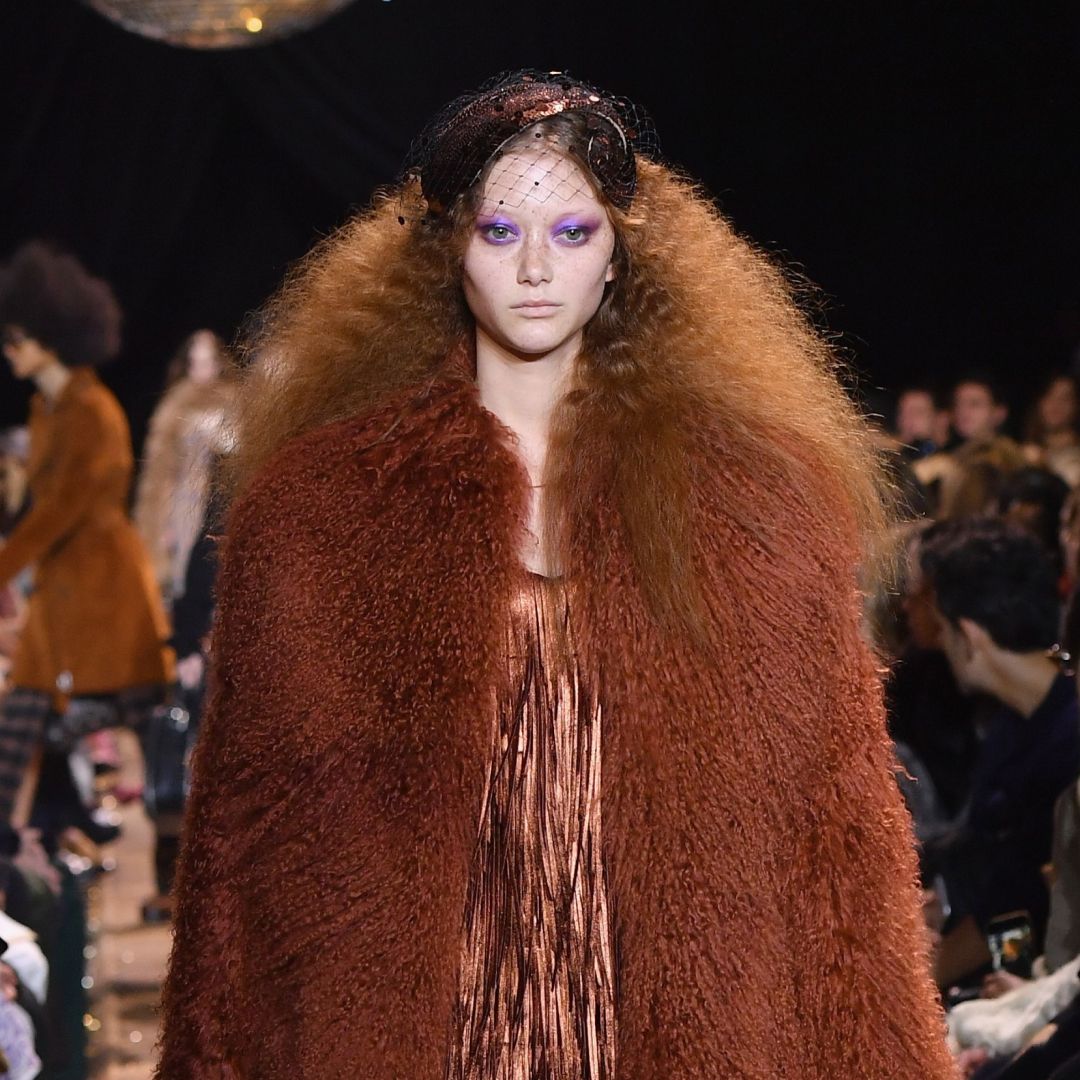
The CFDA’s decision to ban real fur from New York Fashion Week starting in September 2026 marks one of the biggest cultural pivots in luxury fashion. What was once a symbol of prestige is now being replaced by a new definition of luxury, one rooted in ethics, innovation, and conscious craftsmanship.
This shift isn’t just regulatory. It’s an opportunity for luxury brands to evolve in ways that align with the values of today’s global consumer.
Why the Fur Ban Is Good for Luxury Fashion
1. Today’s Consumers Expect Ethical Luxury
Modern shoppers, particularly Gen Z and Millennials, seek brands that align with their values. Cruelty-free materials, responsible sourcing, and transparency are now core to purchasing decisions.
Moving away from fur strengthens brand trust and elevates brand perception.
2. It Redefines What Luxury Means
Luxury used to be about rarity and exclusivity. But today, prestige is tied to innovation, craftsmanship, and environmental responsibility.
A fur-free approach encourages brands to explore new materials and silhouettes, making collections feel fresh, modern, and forward-thinking.
3. It Reduces Reputational & Legal Risk
With countries tightening restrictions and public sentiment shifting, staying with traditional fur can damage long-term credibility.
By embracing the ban early, brands position themselves as leaders instead of followers.
4. It Sparks Material Innovation
The ban accelerates the development of next-gen textiles — a space where luxury fashion thrives.
This is a moment for brands to showcase creativity beyond tradition and build a new era of aspirational material storytelling.
The Best Alternatives to Real Fur
Luxury brands aren’t limited; they’re expanding into materials that offer the richness of fur with none of the ethical or environmental drawbacks.
-
Bio-based faux fur – made from corn, bamboo, sugarcane fibers; soft, ethical, luxury-grade.
-
Recycled faux fur – created from PET bottles + textile waste; sustainable and warm.
-
Biofabricated (lab-grown) fur – innovative, realistic, cruelty-free next-gen material.
-
Woven/knitted fur-effect textiles – lightweight, textured fabrics that mimic fur without animals.
-
Upcycled vintage fur – reworked archival pieces for circular, heritage-rich design.
-
Sherpa & teddy fabrics – cosy, plush, and winter-friendly fur alternatives.
-
Wool-blend textured outerwear – boucle, felted wool, brushed wool giving fur-like depth.
-
Vegan shearling – soft, durable, and designer-friendly for jackets, trims, and accessories.
What This Means for Luxury Brands
The fur ban signals a new definition of luxury one where ethics, sustainability, and innovation sit at the core of desirability. For designers, this is a chance to explore unexpected materials, reshape silhouettes, and lead cultural change.
Luxury is shifting from “rare and expensive” to “responsible and innovative.”
And the fur ban at NYFW 2026 is simply the beginning.
At Nexus Point Luxe, we believe this shift represents the future of high fashion — where craftsmanship, sustainability, and innovation coexist seamlessly. As a platform committed to conscious luxury, we curate designers and materials that move fashion forward without compromising ethics.
Explore the future of responsible luxury at Nexus Point Luxe