Fewer Drops, Stronger Storytelling
For years, Valentine’s Day meant one thing in fashion: a rapid release of red dresses, heart prints, and limited-edition capsules designed to spike February sales. But in 2026, something has shifted.
Designers are stepping away from fast, seasonal Valentine collections and choosing fewer drops with deeper meaning.
Here’s why.
1. The End of “One-Night” Fashion
Consumers are increasingly aware of how short-lived holiday collections can be. A dress bought for February 14 often disappears into the back of a closet by February 15.
Designers are responding with pieces that:
Instead of a “Valentine capsule,” brands are designing romantic pieces that live across seasons, silk slips in chocolate brown, tailored ivory suits, soft peach chiffon dresses that work for weddings, dinners, and summer evenings alike.
Romance is becoming timeless—not seasonal.

2. Sustainability Is Reshaping Holiday Fashion
Fast Valentine drops often rely on:
-
Trend-driven red fabrics
-
Synthetic embellishments
-
Short production cycles
In contrast, 2026’s fashion direction leans toward:
-
Smaller, intentional collections
-
Responsible production timelines
-
Materials designed for longevity
Rather than flooding feeds with heart motifs, designers are investing in quality textiles, refined tailoring, and neutral palettes that remain relevant long after the holiday.
The message is clear: Love should last. So should what you wear.
3. Emotional Branding Over Discount Culture
Valentine’s campaigns used to revolve around urgency:
“Limited Edition.”
“48-Hour Drop.”
“Only for Valentine’s Week.”
Now, brands are shifting toward emotional storytelling.
Campaigns focus on:
Instead of selling a red dress, designers are selling a feeling of intimacy, softness, strength, nostalgia.
Storytelling builds loyalty. Fast drops build impulse.
In 2026, loyalty wins.

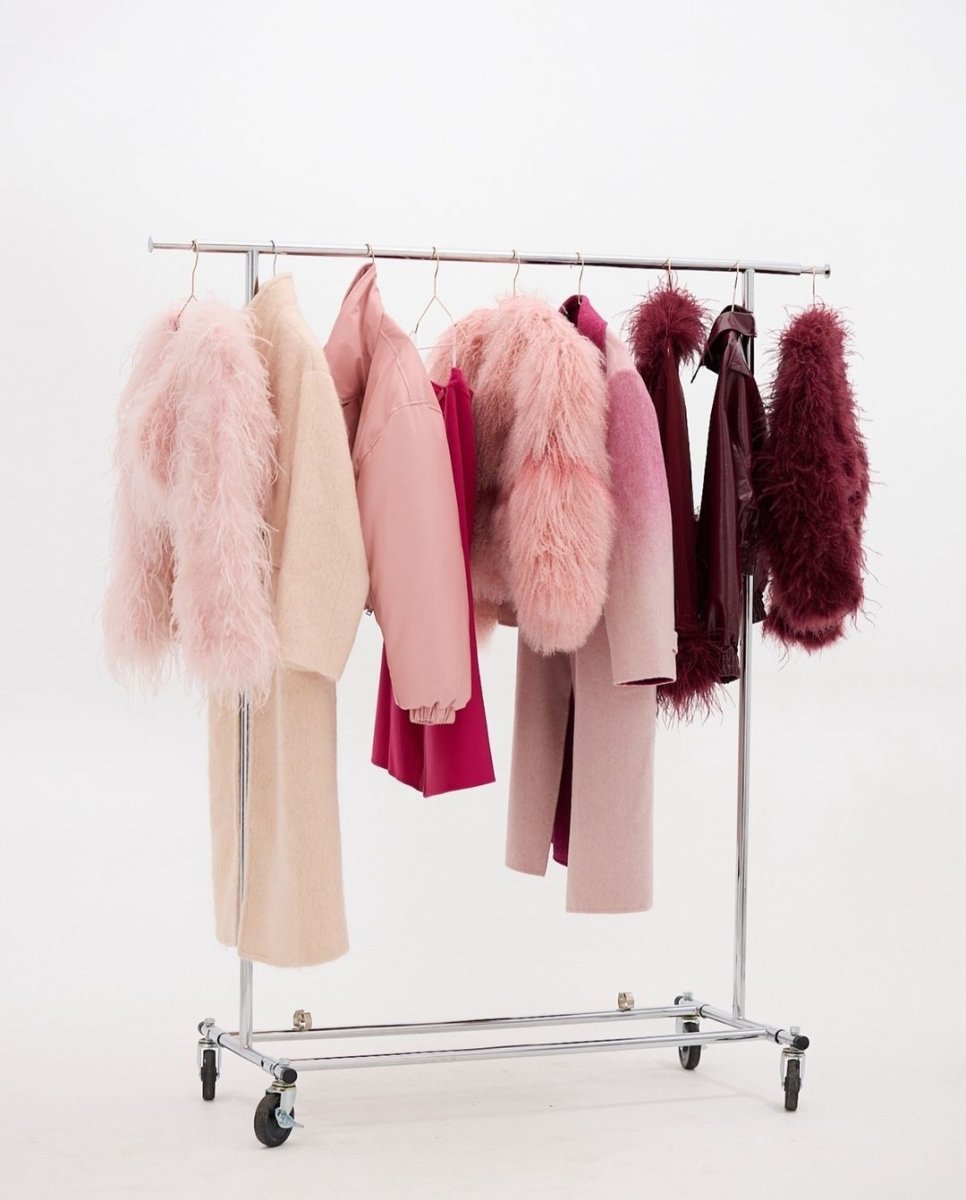
4. The Rise of Neutral Romance
Red is no longer mandatory.
Romantic palettes now include:
-
Chocolate brown
-
Pearl white
-
Soft peach
-
Champagne metallic
-
Muted blush
These tones photograph beautifully, transition across seasons, and feel elevated rather than themed.
Designers understand that today’s consumer wants pieces that feel editorial, wearable, and repeat-worthy.

5. Quality Over Quantity Is the New Luxury
Luxury in 2026 isn’t about volume, it’s about restraint.
Fewer drops mean:
-
More attention to craftsmanship
-
More thoughtful campaign narratives
-
More cohesive brand identity
Instead of chasing micro-trends, designers are refining their core aesthetic. The result? Collections that feel curated rather than reactive.

Romance, Rewritten
Valentine’s Day fashion isn’t disappearing—it’s evolving.
The industry is moving away from seasonal gimmicks and toward intentional design, emotional storytelling, and timeless silhouettes.
Because the most modern definition of romance isn’t excess.
It’s intention.
And that’s a trend worth keeping—long after February 14.