The future of fashion is being rewoven fiber by fiber. As the industry faces mounting pressure to reduce emissions, water use, and waste, materials innovation has moved from trend to necessity. From regenerative agriculture to lab-grown textiles, designers and brands are turning to science, nature, and circular thinking to redefine what luxury and responsibility look like in 2026 and beyond.
This is not about compromise. It’s about better materials, better systems, and better fashion.
1. Regenerative Fibers: Healing the Land Through Fashion
Unlike conventional “less harmful” approaches, regenerative fibers aim to restore ecosystems actively. Regenerative agriculture focuses on improving soil health, increasing biodiversity, and capturing carbon, making fashion a participant in climate solutions rather than a contributor to the problem.
Key regenerative fibers shaping the future:
-
Regenerative cotton is grown using crop rotation, composting, and minimal tillage
-
Regenerative wool sourced from farms that prioritize soil regeneration and animal welfare
-
Hemp & flax with low water needs and soil-restoring properties
Beyond sustainability claims, regenerative fibers offer durability, breathability, and natural texture qualities increasingly valued in quiet luxury and long-wear wardrobes.

Image Source - Cem Genco / Anadolu Agency via getty images
2. Bio-Textiles: Materials Grown, Not Extracted
Bio-textiles are at the forefront of fashion’s material revolution. These fabrics are created using biological processes, often in labs rather than petroleum-based systems.
Innovations redefining fabric creation:
-
Mycelium leather made from mushroom roots, offering a supple, leather-like alternative
-
Algae-based textiles that are renewable, biodegradable, and carbon-absorbing
-
Bacterial cellulose grown through fermentation for ultra-light, biodegradable fabrics
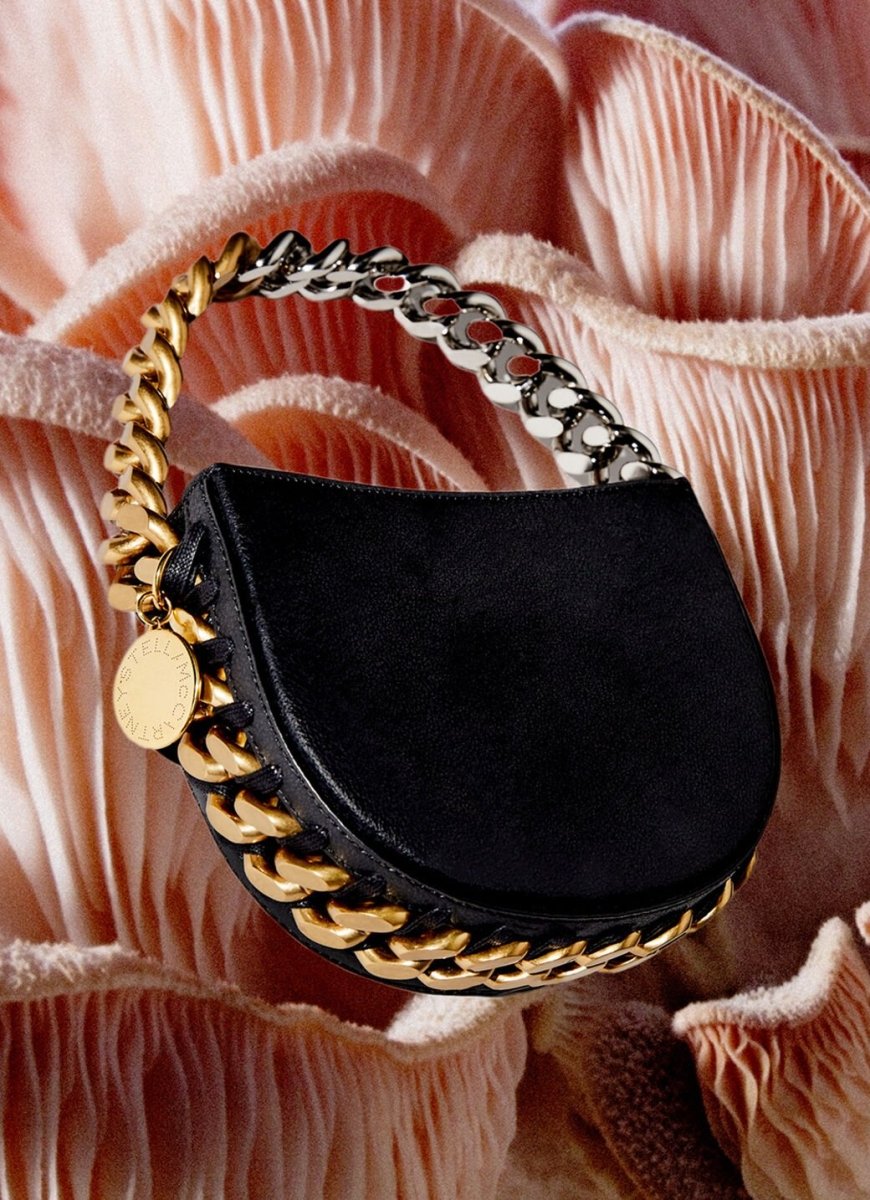
Brands like Bolt Threads are pioneering mycelium-based leather alternatives, while Modern Meadow focuses on lab-grown biomaterials that mimic animal hides without animals.
These materials signal a shift from extractive luxury to engineered sustainability.

Image Source - Stella McCartney
3. Biodegradable & Plant-Based Fabrics: Designed to Return to Nature
As fashion grapples with end-of-life waste, biodegradable materials are emerging as essential solutions. These fabrics break down naturally, leaving minimal environmental impact.
Standout developments:
-
Orange Fiber made from citrus juice by-products
-
Banana, pineapple, and lotus fibers repurposing agricultural waste
-
Plant-dyed textiles eliminate toxic chemical dyes
Italian innovation leader Orange Fiber exemplifies this approach, transforming food waste into luxurious silks used by high-end designers.

Image Source - Emarinella (the tie and scarf are made from orange fibers )
4. Bio-Based Leather Alternatives: Beyond Vegan Leather
Traditional vegan leather often relies on plastics. The new generation of bio-based leather alternatives prioritizes both ethics and environmental impact.
Next-gen alternatives include:
Material innovators like MycoWorks are producing high-performance leather alternatives that meet luxury standards proving that sustainability and craftsmanship can coexist.

Image Source - Stella McCartney
5. Why These Materials Matter for the Future of Fashion
Material choices shape everything from carbon footprints to garment longevity. These innovations enable:
-
Lower emissions & water use
-
Circular production models
-
Longer-lasting, higher-quality garments
-
Transparency across supply chains
As consumers shift toward mindful buying, brands investing in advanced materials aren’t just future-proofing—they’re building trust.
The Takeaway: Fashion’s New Fabric of Responsibility
Sustainable materials are no longer niche experiments. They are becoming the foundation of modern fashion where innovation meets intention.
From regenerative fields to bio-engineered labs, the future of fashion is being designed with respect for the planet, people, and purpose. The brands that lead this shift won’t just define trends, they’ll define the industry itself.
Because the most luxurious thing you can wear in the future?
A garment that gives back.